Vending Machine for Sale: The Complete 2026 Buyer's Guide
Wiki Article
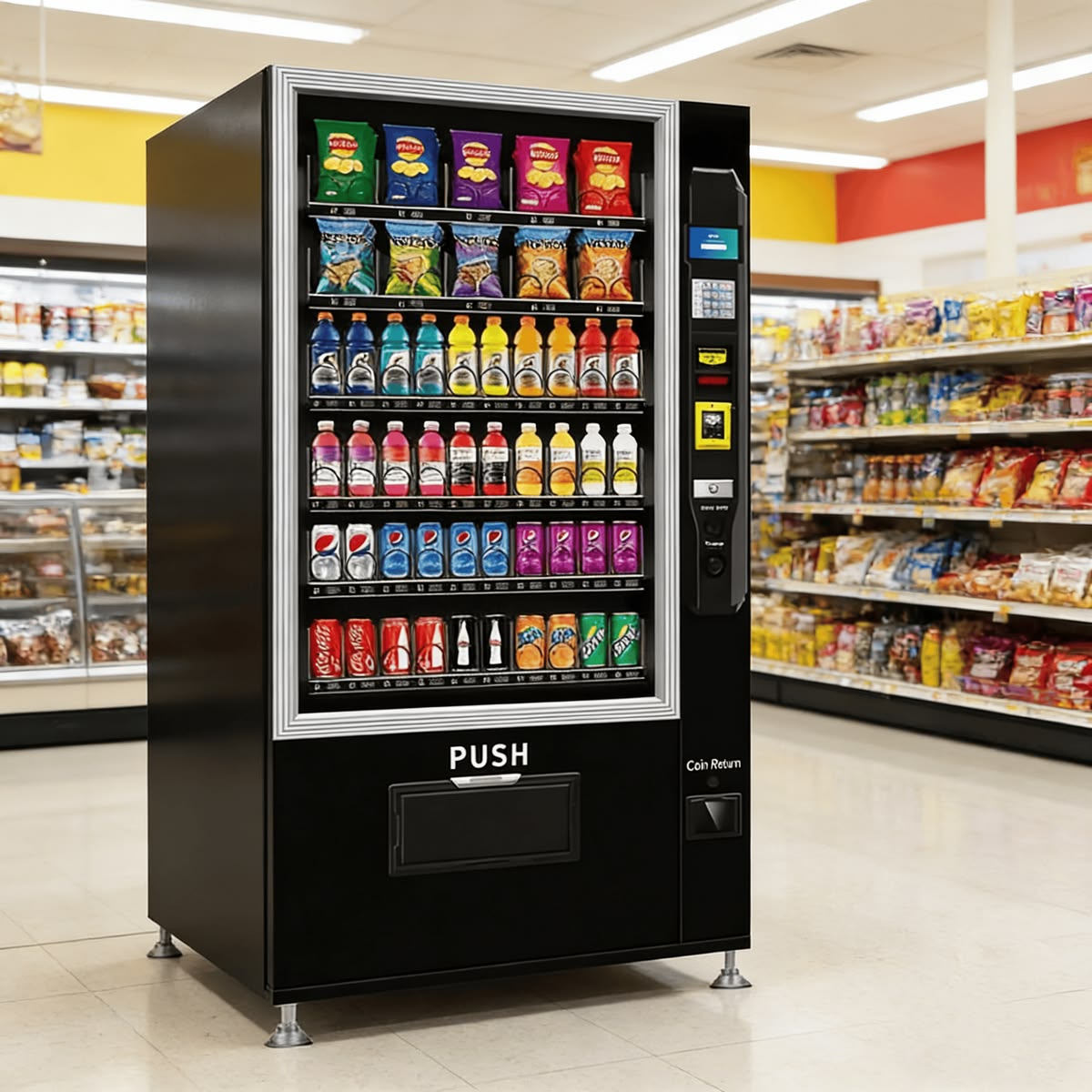
Quick answer: A new vending machine for sale typically costs $3,000 to $6,000 depending on type — snack machines average $3,000–$5,000, drink machines $4,000–$6,000, and combo machines $3,000–$5,500. Used and refurbished units generally cost $1,200–$3,000, while connected "smart" machines with cashless payment and remote monitoring start higher, often $4,000–$8,000 and up. The right price depends on machine type, condition, capacity, and features — not size alone.
Whether you are placing your first machine in a breakroom or scaling a vending route across multiple locations, buying the right machine matters more than buying the cheapest one. This guide breaks down real 2026 pricing, the differences between machine types, and exactly what to verify before you buy — so you know what you are paying for before you commit.
Vending Machine for Sale: 2026 Price Guide by Type
Pricing varies meaningfully by machine category, condition, and features. The table below reflects what current listings typically show.
Machine Type New Used/Refurbished Notes
Snack machine $3,000 – $5,000 $1,200 – $2,500 Simplest mechanism, lowest maintenance
Drink/beverage machine $4,000 – $6,000 $1,500 – $3,000 Refrigeration adds cost and upkeep
Snack & drink combo $3,000 – $5,500 $1,800 – $3,000 Most versatile for mixed foot traffic
Smart/connected machine $4,000 – $8,000+ $2,500 – $6,000 Cashless payment, remote inventory tracking
Specialty (frozen, hot food, bulk) $5,000 – $10,000+ Varies widely Higher upkeep, higher price point
Browse the current vending machine for sale inventory to compare real listings across these categories side by side.
New vs. Used: Which Should You Buy?
A new machine costs more, but it comes with a full warranty, current-generation payment hardware, and no mechanical history to worry about. This is a genuinely important factor if this is your first machine and you do not yet have a maintenance relationship with a technician.
A used or refurbished machine can cut your upfront cost by 50% or more. For a straightforward snack or drink machine — mechanically simple equipment with decades of proven design behind it — that is often a smart trade. The catch is condition variance: "refurbished" is not a regulated term, so it can mean anything from a fully rebuilt unit with new components to a machine that has been wiped down and photographed well. Ask specifically what was replaced or serviced, not just whether it works.
A reasonable rule of thumb: if you are testing a new location or do not yet know your product mix, a used machine limits your downside. If you already have proven, high-traffic placements, a new machine's reliability and lower service calls often pay for the price difference within the first year or two.
Choosing the Right Machine Type for Your Location
Snack machines are the lowest-maintenance option — no refrigeration to break down, simpler electronics, and the widest range of price points. They are a strong first machine for offices, waiting rooms, and small breakrooms.
Beverage machines require reliable refrigeration, which means more moving parts and more that can go wrong over time. However, they also tend to see higher per-transaction pricing than snacks.
Combo machines cover both categories in one footprint. This matters most where floor space is limited but variety is still important — a common setup for gyms, apartment complexes, and mixed-traffic offices.
Smart/connected machines add cashless payment, real-time inventory alerts, and in some cases dynamic pricing. They cost more upfront and sometimes carry a software subscription, but in high-traffic locations the labor savings from remote monitoring and the lift from frictionless payment can offset that cost quickly.
Specialty machines — frozen food, hot food, bulk item, or age-verification units — serve a narrower niche but can command premium pricing where no local alternative exists.
What Actually Drives the Price
Beyond the base machine category, several factors move price within each range:
Payment system. A machine with a built-in cashless/card reader costs more than a coin-and-bill-only unit, but cashless has become close to a baseline expectation for buyers today.
Capacity and selection count. More selections mean a larger cabinet, more motors, and a higher price.
Refrigeration condition. On used beverage or combo machines, compressor age and condition matter more than almost anything else — a failing compressor is one of the most expensive repairs on a vending machine.
Connectivity features. Remote inventory monitoring and telemetry dashboards add cost, sometimes including an ongoing subscription fee.
Age and manufacturer. Established manufacturers with a long service history — and widely available replacement parts — tend to hold value and cost more used than lesser-known brands.
Setup Costs Beyond the Machine Price
The machine price is the starting point, not your total investment. Budget for the following:
Initial inventory — typically $200–$600 depending on machine capacity
Business license and seller's permit — costs vary by state, generally $50–$300 annually
Health permit, if selling food or beverages — often $100–$500 per year depending on jurisdiction
Location commission, commonly 10–15% of revenue if placing the machine on someone else's property
Delivery and installation, which varies with machine size and site access
Software or connectivity fees, for smart machines with cloud-based monitoring features
According to the National Automatic Merchandising Association, the U.S. convenience services industry represents a $34.9 billion market built on exactly this kind of distributed, small-footprint retail — which is part of why the barrier to entry has remained comparatively low even as machine technology has advanced.
How to Evaluate a Used Machine Before You Buy
Before purchasing any used vending machine, check the following:
Compressor age and condition, for any refrigerated unit — ask when it was last serviced and whether it is the original compressor.
Payment system functionality, testing both the coin/bill mechanism and any cashless reader if included.
Door seals and locks, since a worn seal on a refrigerated machine drives up energy costs and spoilage risk.
Service history, including any documentation of past repairs or parts replacement.
Parts availability, since older or discontinued models can become difficult and expensive to repair down the line.
If a seller cannot answer basic condition questions, treat that as a signal to look elsewhere. A legitimate seller of vending machines for sale should be able to speak to a unit's mechanical history in detail, not just its price.
Common Mistakes to Avoid
Buying on price alone. The cheapest listing often reflects age, condition, or missing features you will end up paying for later in repairs.
Skipping the permit and license research. Requirements vary by state and by whether you are selling food. The fines for skipping this step cost more than the paperwork would have.
Overestimating machine capacity for the location. A large multi-selection machine is wasted in a low-traffic breakroom, while an undersized machine in a busy location means constant restocking trips.
Ignoring recurring costs on smart machines. Some connected machines carry an ongoing software fee for remote monitoring that is not obvious from the sticker price. Confirm this before you buy.
Not confirming delivery and placement logistics. Machine weight and doorway or hallway clearances can turn a simple delivery into an expensive access problem if you do not check first.
Frequently Asked Questions
How much does a vending machine cost?
A more info new vending machine typically costs $3,000 to $6,000 depending on type, while used and refurbished machines generally run $1,200 to $3,000. Smart, connected machines with cashless payment and remote monitoring often start around $4,000 and can exceed $8,000.
Is it better to buy a new or used vending machine?
New machines offer a warranty and current payment technology with no mechanical history to worry about. Used machines cost significantly less upfront and can be a smart choice for simple snack or drink machines, provided you verify condition and service history first.
What is the cheapest type of vending machine to buy?
Snack machines are generally the least expensive, since they do not require refrigeration and have simpler mechanisms with fewer parts that can fail.
Do I need a permit to operate a vending machine?
In most states, yes — a business license and seller's permit are typically required, with an additional health permit if you are selling food or beverages. Requirements vary by state, so confirm with your local licensing office before buying.
Report this wiki page